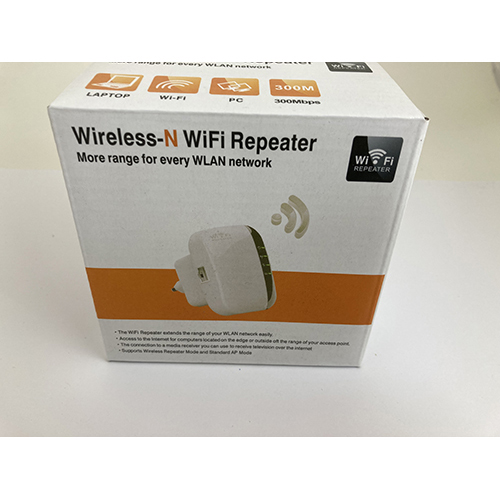
Wireless-N Wifi Repeater
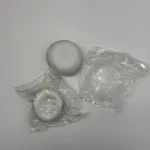
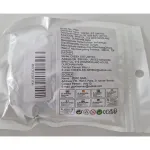
Wi-Fi repeater made of plastic, with a cable. Product sold online.
- Risk level
- Serious risk
- Type
- Chemical, Environment
- Kategori
- Electrical appliances and equipment
- Fare
- The plastic material of the cable has excessive concentrations of bis(2-ethylhexyl) phthalate (DEHP), dibutyl phthalate (DBP), lead and short chain chlorinated paraffines (SCCPs) (measured values up to: 0.92%, 1.14%, 0.17% and 2.97% by weight, respectively). Lead poses a risk to the environment. These phthalates may harm the health by causing possible damage to the reproductive system. SCCPs persist in the environment, are toxic to aquatic organisms at low concentrations and bio-accumulate in wildlife and humans, posing a risk to human health and the environment. Prolonged exposure to them through the skin may cause cancer.
- Origin
- People's Republic of China
⚖️ Handlinger bestilt af myndigheder
- ▸ Measures ordered by economic operators (to: Distributor) Withdrawal of the product from market
What is this? A small wireless repeater that boosts your Wi-Fi signal. The plastic cable on some of these devices contains harmful chemicals.
What's happening? Tests found too much DEHP, DBP, lead, and SCCPs in the cable’s plastic. These can hurt people and the planet.
Does this affect me? Only if you own or use this repeater in Sweden. The chemicals can leak out slowly over time.
What should I do? Stop using it right away. Ask your pharmacist or doctor if you feel unwell or worried about past use.
🤖 Denne letforståelige oversigt er automatisk genereret ud fra den officielle meddelelse fra myndigheden ved hjælp af AI. Den er udelukkende til generel information — ikke medicinsk rådgivning. Vedrørende beslutninger om din sundhed, skal du altid konsultere en farmaceut eller læge og læse den officielle kilde, der er linket nedenfor.
🔬 Medicinske/tekniske detaljer Til fagfolk
Risk level: Serious risk · Type: Chemical, Environment · Category: Electrical appliances and equipment · Hazard: The plastic material of the cable has excessive concentrations of bis(2-ethylhexyl) phthalate (DEHP), dibutyl phthalate (DBP), lead and short chain chlorinated paraffines (SCCPs) (measured values up to: 0.92%, 1.14%, 0.17% and 2.97% by weight, respectively). Lead poses a risk to the environment. These phthalates may harm the health by causing possible damage to the reproductive system. SCCPs persist in the environment, are toxic to aquatic organisms at low concentrations and bio-accumulate in wildlife and humans, posing a risk to human health and the environment. Prolonged exposure to them through the skin may cause cancer. · Origin: People's Republic of China
Alle oplysninger på denne side stammer fra den officielle meddelelse fra myndighederne. Vi oversætter og opsummerer den; vi tilføjer eller redigerer ikke fakta.