Inflatable ball
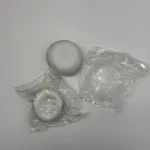
Blue inflatable bouncing ball. Product sold online, in particular via Wish.

⚖️ Acciones ordenadas por autoridades
- ▸ Measures ordered by economic operators (to: Distributor) Withdrawal of the product from market
What is this? This is an inflatable ball made of blue plastic. The plastic has too much of three chemicals that can be harmful.
What's happening? Tests show the ball has too much DIBP, DBP, and SCCPs. These can hurt children’s health and harm the environment.
Does this affect me? It may affect children who play with the ball. It can also harm the environment.
What should I do? Stop using the ball right away. Ask your pharmacist or doctor if you have questions.
🤖 Este resumen en lenguaje sencillo se genera automáticamente a partir del aviso oficial de la agencia mediante IA. Es solo para fines informativos — no es un consejo médico. Para tomar decisiones sobre su salud, consulte siempre a un farmacéutico o médico y lea la fuente oficial vinculada a continuación.
🔬 Detalles médicos/técnicos Para profesionales
Risk level: Serious risk · Type: Chemical · Category: Toys · Hazard: The blue plastic material of the product has an excessive concentration of diisobutyl phthalate (DIBP) and dibutyl phthalate (DBP) (measured values: up to 0.45 % and to 27.76 % by weight, respectively). These phthalates may harm the health of children, possibly causing damage to their reproductive system. In addition, the blue plastic has an excessive concentration of short chain chlorinated paraffins (SCCPs) (measured value: up to 3.46 % SCCP by weight). SCCPs persist in the environment, are toxic to aquatic organisms at low concentrations and bio-accumulate in wildlife and humans, posing a risk to human health and the environment. Prolonged exposure to them through the skin may cause cancer. · Origin: Unknown
Toda la información de esta página proviene del aviso oficial de la agencia. Nosotros la traducimos y resumimos; no añadimos ni editamos datos.