Rain poncho
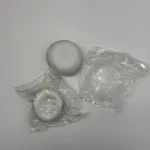
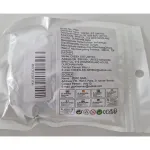
Black rain poncho in non-compliant plastic package.
- Poncho impermeable Nivel de riesgo
- Riesgo grave
- Tipo
- Medio ambiente
- Categoría
- Ropa y artículos textiles
- Peligro
- El material plástico del producto tiene una concentración excesiva de bis(2-etilhexil) ftalato (DEHP) (valor medido hasta 12,6 % en peso). También contiene parafinas cloradas de cadena corta (SCCPs) (valor medido hasta 1,46 % en peso). El DEHP puede dañar la salud al afectar posiblemente el sistema reproductivo. Las SCCPs persisten en el ambiente, son tóxicas para organismos acuáticos en bajas concentraciones y se bioacumulan en la vida silvestre y los humanos, lo que representa un riesgo para la salud humana y el ambiente. La exposición prolongada a ellas a través de la piel puede causar cáncer.
- Origen
- Desconocido
⚖️ Acciones ordenadas por autoridades
- ▸ Measures ordered by economic operators (to: Distributor) Withdrawal of the product from market
What is this? This is a plastic rain poncho that has too much of two chemicals. One is DEHP. The other is SCCPs.
What's happening? Tests show the poncho has too much DEHP and SCCPs. These can harm health and the environment.
Does this affect me? If you own this poncho, you may be at risk. It could harm your health or the planet.
What should I do? Stop using the poncho. Ask your pharmacist or doctor if you have questions.
🤖 Este resumen en lenguaje sencillo se genera automáticamente a partir del aviso oficial de la agencia mediante IA. Es solo para fines informativos — no es un consejo médico. Para tomar decisiones sobre su salud, consulte siempre a un farmacéutico o médico y lea la fuente oficial vinculada a continuación.
🔬 Detalles médicos/técnicos Para profesionales
Risk level: Serious risk · Type: Environment · Category: Clothing, textiles and fashion items · Hazard: The plastic material of the product has an excessive concentration of bis(2-ethylhexyl) phthalate (DEHP) (measured value up to 12.6 % by weight). It also contains short-chain chlorinated paraffins (SCCPs) (measured value up to 1.46 % by weight). DEHP may harm the health by causing possible damage to the reproductive system. SCCPs persist in the environment, are toxic to aquatic organisms at low concentrations and bio-accumulate in wildlife and humans, posing a risk to human health and the environment. Prolonged exposure to them through the skin may cause cancer. · Origin: Unknown
Toda la información de esta página proviene del aviso oficial de la agencia. Nosotros la traducimos y resumimos; no añadimos ni editamos datos.