Antennkabel
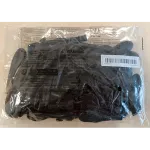
White antenna cable
- Risk level
- Serious risk
- Tyyppi
- Chemical, Environment
- Luokka
- Electrical appliances and equipment
- Vaara
- The plastic material of the product has an excessive concentration of bis(2-ethylhexyl) phthalate (DEHP) (measured value up to 13.8% by weight). Moreover, the product has an excessive concentration of short chain chlorinated paraffins (SCCPs) (measured value up to 2.3% by weight). DEHP may harm the health by causing possible damage to the reproductive system. SCCPs persist in the environment, are toxic to aquatic organisms at low concentrations and bio-accumulate in wildlife and humans, posing a risk to human health and the environment.
- Origin
- People's Republic of China
⚖️ Toimenpiteet viranomaisten määräämässä järjestyksessä
- ▸ (to: Importer) Ban on the marketing of the product and any accompanying measures
What is this? This is a cable used to connect TV or radio. The plastic part of the cable has too much of a chemical called DEHP.
What's happening? The plastic in the cable has too much DEHP. This can be harmful if touched or used for a long time.
Does this affect me? If you have this cable in Sweden, it could be a risk for you.
What should I do? Stop using the cable and ask your pharmacist or doctor if you have any health concerns.
🤖 Tämä selkeäsanainen yhteenveto on tuotettu viranomaisen ilmoituksesta tekoälyä käyttäen. Se on tarkoitettu yleisluontoiseen tiedottamiseen — ei lääkärinlausunto. Terveydestäsi päättäessäsi ota aina yhteyttä apteekkiin tai lääkäriin ja lue alla oleva virallinen lähde.
🔬 Lääketieteelliset / tekniset tiedot ammattilaisille
Risk level: Serious risk · Type: Chemical, Environment · Category: Electrical appliances and equipment · Hazard: The plastic material of the product has an excessive concentration of bis(2-ethylhexyl) phthalate (DEHP) (measured value up to 13.8% by weight). Moreover, the product has an excessive concentration of short chain chlorinated paraffins (SCCPs) (measured value up to 2.3% by weight). DEHP may harm the health by causing possible damage to the reproductive system. SCCPs persist in the environment, are toxic to aquatic organisms at low concentrations and bio-accumulate in wildlife and humans, posing a risk to human health and the environment. · Origin: People's Republic of China
Kaikki tämän sivun tiedot perustuvat virallisen viraston tiedotteeseen. Käännämme ja tiivistämme ne; emme lisää tai muokkaa faktoja.