EasyRide™ | Touchscreen
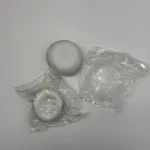
Green bag with transparent plastic window. Product sold online.
- Risk level
- Other types of alerts
- Type
- Chemical, Environment
- Category
- Hobby/sports equipment
- Origin
- Unknown
Hazard: The plastic material of the product has an excessive concentration of bis(2-ethylhexyl) phthalate (DEHP) and short chain chlorinated paraffins (SCCPs) (measured values up to 19% and 0.44% by weight, respectively). This phthalate may harm the health by possibly causing damage to the reproductive system. SCCPs persist in the environment, are toxic to aquatic organisms at low concentrations and bio-accumulate in wildlife and humans, posing a risk to human health and the environment. Prolonged exposure to them through the skin may cause cancer.
⚖️ Actions ordered by authorities
- ▸ Measures ordered by economic operators (to: Importer) Withdrawal of the product from market
What is this? EasyRide™ Touchscreen is a hobby item with plastic parts. The plastic has two chemicals called DEHP and SCCPs.
What's happening? The plastic has too much DEHP and SCCPs. These can harm health and the environment.
Does this affect me? If you own this product in Sweden, you may be at risk.
What should I do? Stop using it and ask your pharmacist or doctor for advice.
🤖 This plain-language summary is automatically generated from the official agency notice using AI. It is for general information only — not medical advice. For decisions about your health, always consult a pharmacist or doctor and read the official source linked below.
🔬 Medical / technical details (for professionals)
Risk level: Other types of alerts · Type: Chemical, Environment · Category: Hobby/sports equipment · Hazard: The plastic material of the product has an excessive concentration of bis(2-ethylhexyl) phthalate (DEHP) and short chain chlorinated paraffins (SCCPs) (measured values up to 19% and 0.44% by weight, respectively). This phthalate may harm the health by possibly causing damage to the reproductive system. SCCPs persist in the environment, are toxic to aquatic organisms at low concentrations and bio-accumulate in wildlife and humans, posing a risk to human health and the environment. Prolonged exposure to them through the skin may cause cancer. · Origin: Unknown
All information on this page comes from the official agency notice. We translate and summarise it; we don't add or edit facts.