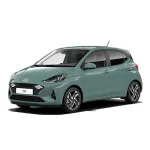
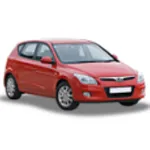
Hyundai — i30 & i30N (PDe & PDeN)
Passenger car. VIN range: TMAH381E6TJ196757 - TMAH151E3TJ265411 (PDe), TMAHC51AVTJ046121 - TMAHC51AVVJ046296 (PDeN)
- Risk level
- Serious risk
- Type
- Injuries
- Category
- Motor vehicles
- Hazard
- Deformation of the internal spring inside the centre rear seatbelt mini-buckle may prevent the seatbelt from latching securely. As a result, the centre rear occupant may not be properly restrained in the event of a crash, increasing the risk of injury.
- Origin
- Czechia
⚖️ Actions ordered by authorities
- ▸ Measures ordered by economic operators (to: Manufacturer) Recall of the product from end users
What is this? This is about some Hyundai cars (i30 and i30N). A small part inside the middle back seatbelt buckle may break.
What's happening? The broken part could stop the seatbelt from locking tight. This means a person in the middle back seat might not be safe in a crash.
Does this affect me? If you own or use one of these Hyundai cars in Poland, you could be at risk.
What should I do? Ask your Hyundai dealer or a mechanic to check your car’s middle back seatbelt buckle. Do not ignore this.
🤖 This plain-language summary is automatically generated from the official agency notice using AI. It is for general information only — not medical advice. For decisions about your health, always consult a pharmacist or doctor and read the official source linked below.
🔬 Medical / technical details (for professionals)
Risk level: Serious risk · Type: Injuries · Category: Motor vehicles · Hazard: Deformation of the internal spring inside the centre rear seatbelt mini-buckle may prevent the seatbelt from latching securely. As a result, the centre rear occupant may not be properly restrained in the event of a crash, increasing the risk of injury. · Origin: Czechia
All information on this page comes from the official agency notice. We translate and summarise it; we don't add or edit facts.