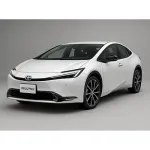
Lexus, Toyota — bZ4X, RZ300e, RZ450e
Passenger car. Model: bZ4X (XEAM10, YEAM15), RZ300e (XEBM10) and RZ450e (XEBM15).

- Risk level
- Serious risk
- Type
- Injuries
- Category
- Motor vehicles
- Hazard
- The electrical compressor may fail, causing the HVAC system to enter a failsafe mode that suspends the heater operation of the system and affects defroster function. If the vehicle is operated in low-temperatures, the defrosting performance reduces and may not remove frost, ice and/or fog from the windshield glass. This can reduce driver visibility and increase the risk of injuries.
- Origin
- Japan
⚖️ Actions ordered by authorities
- ▸ Measures ordered by economic operators (to: Importer) Recall of the product from end users
What is this? Some Lexus and Toyota electric cars may have a broken part in the heating system. This could stop the heater and defroster from working right.
What's happening? If the heater fails in cold weather, ice and fog may not clear from the windshield. This makes it harder for the driver to see.
Does this affect me? Owners of certain Lexus and Toyota electric cars in some European countries may be at risk.
What should I do? Check with a Toyota or Lexus dealer right away. Ask your mechanic or doctor if you feel unsafe driving in cold weather.
🤖 This plain-language summary is automatically generated from the official agency notice using AI. It is for general information only — not medical advice. For decisions about your health, always consult a pharmacist or doctor and read the official source linked below.
🔬 Medical / technical details (for professionals)
Risk level: Serious risk · Type: Injuries · Category: Motor vehicles · Hazard: The electrical compressor may fail, causing the HVAC system to enter a failsafe mode that suspends the heater operation of the system and affects defroster function. If the vehicle is operated in low-temperatures, the defrosting performance reduces and may not remove frost, ice and/or fog from the windshield glass. This can reduce driver visibility and increase the risk of injuries. · Origin: Japan
All information on this page comes from the official agency notice. We translate and summarise it; we don't add or edit facts.