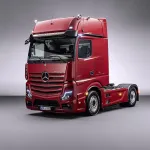
Mercedes-Benz — S-Class
Passenger car with an 8-cylinder petrol engine.
⚖️ Actions ordonnées par les autorités
- ▸ Measures ordered by economic operators (to: Manufacturer) Recall of the product from end users
What is this? This is a notice about some Mercedes-Benz S-Class cars. A small computer part may fail and cause the engine to run too hot.
What's happening? The car’s computer might send too much fuel to the engine. This can make parts overheat or even start a fire.
Does this affect me? If you own or drive one of these cars, you could be at risk. The problem is in cars from Germany.
What should I do? Take your car to a Mercedes-Benz dealer right away. Ask your mechanic or doctor if you feel unsafe driving it.
🤖 Ce résumé en langage clair est généré automatiquement à partir de l'avis officiel de l'agence à l'aide de l'IA. Il est fourni à titre d'information générale uniquement — il ne s'agit pas de conseils médicaux. Pour toute décision concernant votre santé, consultez toujours un pharmacien ou un médecin et lisez la source officielle liée ci-dessous.
🔬 Détails médicaux / techniques (pour les professionnels)
Risk level: Serious risk · Type: Environment, Fire, Injuries · Category: Motor vehicles · Hazard: In the event of an independent hardware failure, the lambda control in the Engine Control Unit (ECU) software can erroneously increase the amount of injected fuel during cylinder deactivation. As a result, exhaust temperatures can increase and this can damage surrounding components (e.g. engine wiring harness, catalytic converter). This can create an unexpected loss of propulsion, increasing the risk of accidents and injuries. Moreover, this can increase the risk of fire. In addition, local statutory exhaust emission limits could be exceeded. · Origin: Germany
Toutes les informations de cette page proviennent de l'avis officiel de l'agence. Nous les traduisons et les résumons ; nous n'ajoutons ni ne modifions les faits.