⚠ LIVE — European Consumer Safety Watch 💊 Medicines: 33 in last 7 days 🍎 Food: 1 in last 7 days 🧸 Products: 0 in last 7 days 🟢 Monitoring: EMA · RASFF · NVWA · FAGG · FAVV · EFSA · Safety Gate ⏱ Last fetch: 4 hours ago ⚠ LIVE — European Consumer Safety Watch 💊 Medicines: 33 in last 7 days 🍎 Food: 1 in last 7 days 🧸 Products: 0 in last 7 days 🟢 Monitoring: EMA · RASFF · NVWA · FAGG · FAVV · EFSA · Safety Gate ⏱ Last fetch: 4 hours ago
🛡️ EUSW
🇬🇧
🧸 Product SE December 1, 2017

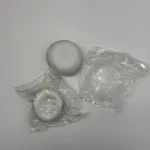
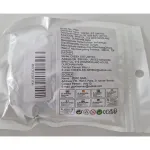
Oilcloth

📷 Safety Gate / European Commission · Source
Oilcloth
📷 Safety Gate / European Commission · Source
Risk level
Serious risk
Type
Environment
Category
Kitchen/cooking accessories
Hazard
The cloth contains short chain chlorinated paraffins (SCCPs) (measured value up to 0.6%). The placing on the market and use of articles containing SCCPs is banned. SCCPs persist in the environment, are toxic to aquatic o
Origin
People's Republic of China
🗄
Archived (older alert)
This alert was reported 3208 days ago and has been moved from our active feed to the archive. The original safety information still applies — we have no confirmation from the issuing agency that the product is safe again. Refer to the official notice for the current status.
📈 Timeline
119 days in total
May 17, 2026 September 13, 2026
Daily snapshot data starts accumulating once the scheduler runs — for now this is interpolated from the agency's first/last dates.

What is this? This is a kind of oilcloth used in kitchens. It may have a harmful chemical called SCCPs in it.

What's happening? The cloth has too much SCCPs. This is not allowed and can harm the environment.

Does this affect me? If you have this cloth, it could be bad for the environment where you live.

What should I do? Stop using the cloth. Ask your pharmacist or doctor if you need help.

🤖 This plain-language summary is automatically generated from the official agency notice using AI. It is for general information only — not medical advice. For decisions about your health, always consult a pharmacist or doctor and read the official source linked below.

🔬 Medical / technical details (for professionals)
Agency-published detail

Risk level: Serious risk · Type: Environment · Category: Kitchen/cooking accessories · Hazard: The cloth contains short chain chlorinated paraffins (SCCPs) (measured value up to 0.6%). The placing on the market and use of articles containing SCCPs is banned. SCCPs persist in the environment, are toxic to aquatic o · Origin: People's Republic of China

First published
December 1, 2017
Last refreshed by us
3 months ago
Severity (as classified)
High
Official source
https://ec.europa.eu/safety-gate-alerts/screen/webReport/alertDetail/289095

All information on this page comes from the official agency notice. We translate and summarise it; we don't add or edit facts.

Related alerts

❓ Frequently asked questions

What is this product recall alert about?
Oilcloth. Risk level: Serious risk · Type: Environment · Category: Kitchen/cooking accessories · Hazard: The cloth contains short chain chlorinated paraffins (SCCPs) (measured value up to 0.6%). The placing on the market and use of articles containing SCCPs is banned. SCCPs persist in the...
When was this alert issued?
This alert was issued on December 1, 2017 by EU Safety Gate.
Which countries are affected?
The alert applies to Sweden.
How serious is this alert?
Serious risk. A serious risk means the product or medicine can cause significant harm. Treat the alert as urgent.
What should I do?
If you have this product at home, stop using it and return it to the point of purchase for a refund. Keep the receipt if you have one — most retailers refund without it for safety recalls.
Where can I find the official notice?
The full official notice is published on ec.europa.eu.

💬 Discussion

Share your experience or ask a question. Real names and email are optional but moderation friendly.

No comments yet — be the first.

We email a confirmation link. Your address stays private.

⚠️ We aggregate official notices. We do not give medical advice. For medical or legal decisions, consult the source agency and a qualified professional.