Pencil case
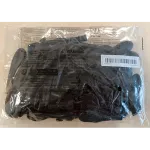
Plastic pencil case/multifunctional bag. Product sold online, in particular via hjemmetilbehor.com.

⚖️ Von Behörden angeordnete Maßnahmen
- ▸ Measures ordered by economic operators (to: Distributor) Withdrawal of the product from market
What is this? A plastic pencil case made in China has too much of a softening chemical called DEHP.
What's happening? The case can leak this chemical, which may be harmful if touched or breathed in.
Does this affect me? Anyone who owns this pencil case may be at risk.
What should I do? Stop using it and ask your pharmacist or doctor if you have concerns.
🤖 Diese allgemeinverständliche Zusammenfassung wird automatisch aus der offiziellen Mitteilung der Behörde mithilfe von KI erstellt. Sie dient nur zur allgemeinen Information – nicht als medizinischer Rat. Treffen Sie gesundheitsbezogene Entscheidungen immer in Absprache mit einer Apothekerin oder einem Arzt und lesen Sie die verlinkte offizielle Quelle unten.
🔬 Medizinische / technische Details Für Fachkräfte
Risk level: Serious risk · Type: Chemical, Environment · Category: Stationery · Hazard: The plastic material of the product has an excessive concentration of bis(2-ethylhexyl) phthalate (DEHP) (measured value: 15.6% by weight). Moreover, the product has an excessive concentration of short chain chlorinated paraffins (SCCPs) (measured value: 0.59% by weight). This phthalate may harm the health by causing possible damage to the reproductive system. SCCPs persist in the environment, are toxic to aquatic organisms at low concentrations and bio-accumulate in wildlife and humans, posing a risk to human health and the environment. · Origin: People's Republic of China
Alle Informationen auf dieser Seite stammen aus der offiziellen Agenturmitteilung. Wir übersetzen und fassen sie zusammen; wir ergänzen oder ändern keine Fakten.