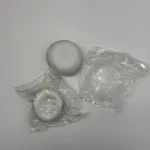
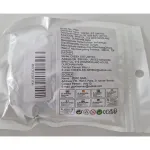
Network cable
Network cable 2 m

- Risk level
- Serious risk
- Typ
- Chemical, Environment
- Kategoria
- Electrical appliances and equipment
- Origin
- Unknown
Hazard: The plastic material of the cable has excessive concentrations of bis(2-ethylhexyl) phthalate (DEHP) and short chain chlorinated paraffins (SCCPs) (measured values: up to 5% and 0.77% by weight, respectively). DEHP poses a risk to human health and the environment. SCCPs persist in the environment, are toxic to aquatic organisms at low concentrations and bio-accumulate in wildlife and humans, posing a risk to human health and the environment. Prolonged exposure to them through the skin may cause cancer.
⚖️ Działania zlecone przez władze
- ▸ Measures ordered by economic operators (to: Distributor) Withdrawal of the product from market
5706470041899
What is this? This is a network cable with plastic that has too much of two chemicals called DEHP and SCCPs.
What's happening? These chemicals can harm people and the environment if used for a long time.
Does this affect me? If you have this cable at home, you might be at risk if you use it often.
What should I do? Stop using the cable and ask your pharmacist or doctor if you need help.
🤖 To jest automatycznie generowane streszczenie w języku prostym na podstawie oficjalnego komunikatu agencji, przy użyciu AI. Ma charakter wyłącznie informacyjny — nie stanowi porady medycznej. W kwestiach dotyczących Twojego zdrowia zawsze konsultuj się z farmaceutą lub lekarzem oraz zapoznaj się z oficjalnym źródłem zamieszczonym poniżej.
🔬 Szczegóły medyczne / techniczne dla specjalistów
Risk level: Serious risk · Type: Chemical, Environment · Category: Electrical appliances and equipment · Hazard: The plastic material of the cable has excessive concentrations of bis(2-ethylhexyl) phthalate (DEHP) and short chain chlorinated paraffins (SCCPs) (measured values: up to 5% and 0.77% by weight, respectively). DEHP poses a risk to human health and the environment. SCCPs persist in the environment, are toxic to aquatic organisms at low concentrations and bio-accumulate in wildlife and humans, posing a risk to human health and the environment. Prolonged exposure to them through the skin may cause cancer. · Origin: Unknown
Wszystkie informacje na tej stronie pochodzą z oficjalnego komunikatu agencji. Tłumaczymy i podsumowujemy je; nie dodajemy ani nie zmieniamy faktów.