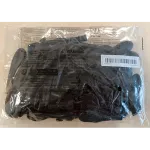
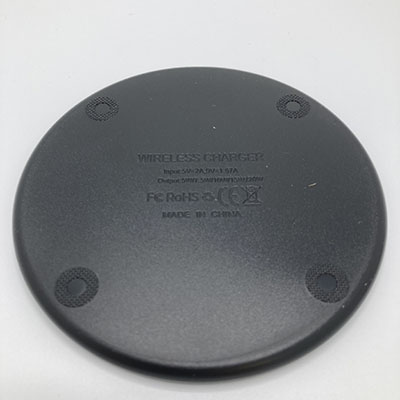
Wireless charger
Wireless charger, black
- Risk level
- Other types of alerts
- Tipo
- Environment
- Categoria
- Electrical appliances and equipment
- Origin
- People's Republic of China
Hazard: The solders have an excessive concentration of lead (measured value up to 48 % by weight). The plastic cable has excessive concentrations of DBP and DEHP (measured value up to 0.1 and 2.4 % by weight, respectively). The plastic cable has also excessive concentrations of short-chain chlorinated paraffins (SCCPs) (measured value up to 1.25 % by weight). Lead poses a risk to the environment DEHP and DBP poses a risk to human health and the environment. SCCPs persist in the environment, are toxic to aquatic organisms at low concentrations and bio-accumulate in wildlife and humans, posing a risk to human health and the environment. Prolonged exposure to them through the skin may cause cancer.
⚖️ Ações ordenadas pelas autoridades
- ▸ Measures ordered by economic operators (to: Importer) Withdrawal of the product from market
What is this? This is a wireless phone charger sold in Sweden. It has parts that may be unsafe.
What's happening? The charger’s wires and plastic parts contain too much lead and other harmful chemicals. These can hurt people and the environment.
Does this affect me? If you own this charger, you may be exposed to these chemicals over time.
What should I do? Stop using it right away. Ask a pharmacist or doctor if you feel unwell. Return it to where you bought it.
🤖 Este resumo em linguagem simples é gerado automaticamente a partir do comunicado oficial da agência, com recurso a IA. Destina-se apenas a fins informativos — não constitui aconselhamento médico. Para tomar decisões sobre a sua saúde, consulte sempre um farmacêutico ou médico e leia a fonte oficial vinculada abaixo.
🔬 Detalhes médicos/técnicos (para profissionais)
Risk level: Other types of alerts · Type: Environment · Category: Electrical appliances and equipment · Hazard: The solders have an excessive concentration of lead (measured value up to 48 % by weight). The plastic cable has excessive concentrations of DBP and DEHP (measured value up to 0.1 and 2.4 % by weight, respectively). The plastic cable has also excessive concentrations of short-chain chlorinated paraffins (SCCPs) (measured value up to 1.25 % by weight). Lead poses a risk to the environment DEHP and DBP poses a risk to human health and the environment. SCCPs persist in the environment, are toxic to aquatic organisms at low concentrations and bio-accumulate in wildlife and humans, posing a risk to human health and the environment. Prolonged exposure to them through the skin may cause cancer. · Origin: People's Republic of China
Todas as informações desta página são provenientes do comunicado oficial da agência. Nós as traduzimos e resumimos; não adicionamos nem editamos factos.