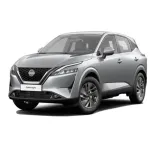
Nissan — X-Trail
Passenger car.
- Risk level
- Serious risk
- Tip
- Injuries
- Categorie
- Motor vehicles
- Risc
- The lithium-ion battery controller (LBC) may not provide reliable diagnostic results due to parasitic effects or fluctuations in circuit resistance, which can cause the integrated circuits monitoring the battery cell voltage to incorrectly detect anomalies. As a result, the system may switch to fail-safe mode while the vehicle is being driven, limiting engine power and preventing charging. If regenerative charging occurs, the fail-safe mode may turn off the main relay, causing a loss of engine power and a loss of propulsion while the vehicle is in motion, increasing the risk of accidents.
- Origin
- Luxembourg
⚖️ Acțiuni ordonate de autorități
- ▸ Measures ordered by economic operators (to: Manufacturer) Recall of the product from end users
What is this? This is a notice about some Nissan X-Trail cars. A part inside the car’s battery may not work right. This could cause the car to lose power while driving.
What's happening? The car’s battery system might turn off suddenly. This could make the car slow down or stop while you are driving. This is a safety risk.
Does this affect me? If you own or drive a Nissan X-Trail, this could affect you. The problem is in cars made by Nissan.
What should I do? Take your car to a Nissan dealer right away. Ask your mechanic or doctor if you feel unsafe driving.
🤖 Această prezentare simplificată este generată automat din comunicatul oficial al agenției folosind inteligență artificială. Este doar pentru informare generală — nu reprezintă sfaturi medicale. Pentru decizii privind sănătatea dumneavoastră, consultați întotdeauna un farmacist sau un medic și citiți sursa oficială de mai jos.
🔬 Detalii medicale / tehnice pentru profesioniști
Risk level: Serious risk · Type: Injuries · Category: Motor vehicles · Hazard: The lithium-ion battery controller (LBC) may not provide reliable diagnostic results due to parasitic effects or fluctuations in circuit resistance, which can cause the integrated circuits monitoring the battery cell voltage to incorrectly detect anomalies. As a result, the system may switch to fail-safe mode while the vehicle is being driven, limiting engine power and preventing charging. If regenerative charging occurs, the fail-safe mode may turn off the main relay, causing a loss of engine power and a loss of propulsion while the vehicle is in motion, increasing the risk of accidents. · Origin: Luxembourg
Toate informațiile de pe această pagină provin din comunicatul oficial al agenției. Noi le traducem și le sintetizăm; nu adăugăm și nu modificăm fapte.