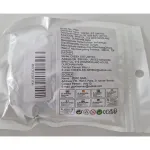
Slumpmässiga uppblåsbara tärningar
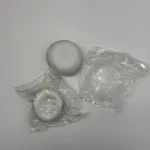
Inflatable dice toy. Product sold online.


- Art
- Chemisch, Umwelt
- Kategorie
- Spielzeug
- Risiko
- Das Ventil aus durchsichtigem PVC-Kunststoff enthält zu viel Bis(2-ethylhexyl)phthalat (DEHP) und Diisononylphthalat (DINP). Zudem ist die Abgabe von Organozinnverbindungen aus dem Ventil zu hoch. Diese Stoffe können die Gesundheit von Kindern beeinträchtigen und das Fortpflanzungssystem sowie die Leber schädigen. Organozinnverbindungen sind möglicherweise persistent, bioakkumulierbar und giftig für die Umwelt.
- Herkunft
- Volksrepublik China
Aufblasbare Würfel mit zufälligen Zahlen Gefahrenstufe: Ernsthafte Gefahr
⚖️ Von Behörden angeordnete Maßnahmen
- ▸ Measures ordered by economic operators (to: Other) Withdrawal of the product from market
What is this? These are small, clear plastic dice that blow up like balloons. They are toys for children.
What's happening? The clear plastic part (the valve) has too much of two chemicals called DEHP and DINP. It also has too much of another chemical called organotin.
Does this affect me? If you have small children who play with these dice, they could be at risk.
What should I do? Stop using the dice right away. Ask your pharmacist or doctor if your child has touched them.
🤖 Diese allgemeinverständliche Zusammenfassung wird automatisch aus der offiziellen Mitteilung der Behörde mithilfe von KI erstellt. Sie dient nur zur allgemeinen Information – nicht als medizinischer Rat. Treffen Sie gesundheitsbezogene Entscheidungen immer in Absprache mit einer Apothekerin oder einem Arzt und lesen Sie die verlinkte offizielle Quelle unten.
🔬 Medizinische / technische Details Für Fachkräfte
Risk level: Serious risk · Type: Chemical, Environment · Category: Toys · Hazard: The valve, made of transparent PVC plastic, of the product contains an excessive amount of bis(2-ethylhexyl) phthalate (DEHP) and diisononyl phthalate (DINP) (measured value: 21% and 1.8% by weight, respectively). In addition, the migration of organotin compounds of the valve is too high (measured value up to 31 mg/kg). These phthalates may harm the health of children, causing possible damage to their reproductive system and liver. Organotin compounds are potentially persistant, bioacumulative and toxic for the environment. · Origin: People's Republic of China
Alle Informationen auf dieser Seite stammen aus der offiziellen Agenturmitteilung. Wir übersetzen und fassen sie zusammen; wir ergänzen oder ändern keine Fakten.