Ufodrone
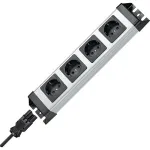
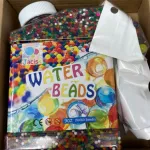
Drone with charging cable.


⚖️ Actions ordonnées par les autorités
- ▸ Measures ordered by economic operators (to: Importer) Withdrawal of the product from market
What is this? A drone sold in Sweden has black cables that may contain too much of three harmful chemicals.
What's happening? The plastic in the cables has high levels of DEHP, DBP, and SCCPs. These can harm people and the environment.
Does this affect me? Anyone who owns this drone may be at risk. The chemicals can also harm wildlife.
What should I do? Stop using the drone and ask your pharmacist or doctor if you have concerns.
🤖 Ce résumé en langage clair est généré automatiquement à partir de l'avis officiel de l'agence à l'aide de l'IA. Il est fourni à titre d'information générale uniquement — il ne s'agit pas de conseils médicaux. Pour toute décision concernant votre santé, consultez toujours un pharmacien ou un médecin et lisez la source officielle liée ci-dessous.
🔬 Détails médicaux / techniques (pour les professionnels)
Risk level: Serious risk · Type: Chemical, Environment · Category: Hobby/sports equipment · Hazard: The plastic material of the black cable has excessive concentrations of bis(2-ethylhexyl) phthalate (DEHP), dibutyl phthalate (DBP) and short chain chlorinated paraffines (SCCPs) (measured values up to 1.6%, 1,1% and 3.9% by weight, respectively). DEHP and DPB pose a risk to human health and the environment. SCCPs persist in the environment, are toxic to aquatic organisms at low concentrations and bio-accumulate in wildlife and humans, posing a risk to human health and the environment. · Origin: People's Republic of China
Toutes les informations de cette page proviennent de l'avis officiel de l'agence. Nous les traduisons et les résumons ; nous n'ajoutons ni ne modifions les faits.