Vattentät kartficka
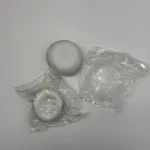
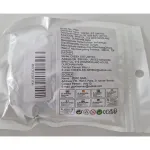
Waterproof bag.
- Tipo
- Chimico, Ambiente
- Categoria
- Attrezzatura per hobby/sport
- Pericolo
- Il materiale plastico del prodotto contiene una concentrazione eccessiva di bis(2-etilesil)ftalato (DEHP) e paraffine clorurate a catena corta (SCCPs) (valori misurati fino al 9,9% e 0,37% in peso, rispettivamente). Il DEHP può danneggiare la salute dei bambini, probabilmente causando danni al sistema riproduttivo. Le SCCPs persistono nell'ambiente, sono tossiche per gli organismi acquatici anche a basse concentrazioni e si bio-accumano in fauna e umani, rappresentando un rischio per la salute e l'ambiente. L'esposizione prolungata attraverso la pelle può causare il cancro.
- Origine
- Sconosciuta
Borsa per carte impermeabile Livello di rischio: Rischio grave
⚖️ Azioni ordinate dalle autorità
- ▸ Measures ordered by economic operators (to: Distributor) Withdrawal of the product from market
4044633162588
What is this? This is a waterproof card pocket made of plastic. Tests found it has too much of two chemicals: DEHP and SCCPs.
What's happening? The plastic has high levels of DEHP and SCCPs. These can harm health and the environment.
Does this affect me? If you own this card pocket, you may be at risk. Children are especially vulnerable.
What should I do? Stop using it right away. Ask your pharmacist or doctor if you have any concerns.
🤖 Questo riassunto in linguaggio semplice viene generato automaticamente dalla notifica ufficiale dell'agenzia tramite IA. È solo a scopo informativo generale — non è un consiglio medico. Per decisioni relative alla tua salute, consulta sempre un farmacista o un medico e leggi la fonte ufficiale collegata di seguito.
🔬 Dettagli medici/tecnici Per professionisti
Risk level: Serious risk · Type: Chemical, Environment · Category: Hobby/sports equipment · Hazard: The plastic material of the product has an excessive concentration of bis(2-ethylhexyl) phthalate (DEHP) and short-chain chlorinated paraffins (SCCPs) (measured value up to 9.9% and 0.37% by weight, respectively). DEHP may harm the health of children, possibly by causing damage to the reproductive system. SCCPs persist in the environment, are toxic to aquatic organisms at low concentrations and bio-accumulate in wildlife and humans, posing a risk to human health and the environment. Prolonged exposure to them through the skin may cause cancer. · Origin: Unknown
Tutte le informazioni su questa pagina provengono dal comunicato ufficiale dell'agenzia. Le traduciamo e le riassumiamo; non aggiungiamo né modifichiamo i fatti.