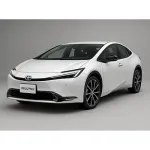
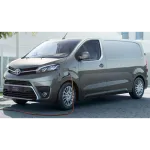
Lexus, Toyota — AURIS TMUK, C-HR TMMT, COROLLA TMUK, NX200, RX300
Passenger car. Model (Production dates, model code): AURIS TMUK (04.05.2018 - 30.11.2018, NRE185), C-HR TMMT (07.05.2018 - 04.02.2022, NGX10, NGX50), COROLLA TMUK (18.12.2018 - 08.11.2022, NRE210), NX200 (12.09.2017 - 01.07.2021, AGZ10, AGZ15), RX300 (29.03.2018 - 29.09.2022, AGL...


- Tipo
- Incendio
- Categoría
- Vehículos motorizados
- Peligro
- Presión insuficiente en piezas de la bomba de combustible de alta presión puede causar movimiento del cilindro dentro de la bomba por donde se desplaza el émbolo. Esto genera desgaste entre el cilindro y el cuerpo de la bomba, aumentando el esfuerzo en válvulas y/o el asiento de la válvula dentro del cuerpo. El esfuerzo excesivo puede agrietar la soldadura de las válvulas afectadas, provocando fugas de combustible y aumentando el riesgo de incendio.
Lexus, Toyota — AURIS, C-HR, COROLLA, NX200, RX300 Nivel de riesgo: Riesgo grave
⚖️ Acciones ordenadas por autoridades
- ▸ Measures ordered by economic operators (to: Importer) Recall of the product from end users
What is this? Some Lexus and Toyota cars may have a problem with the high-pressure fuel pump. This can cause a fire risk.
What's happening? The pump part may not be pressed tightly enough. This can make the pump wear out and leak fuel.
Does this affect me? If you own one of these cars in Portugal, Bulgaria, Germany, France, Norway, Poland, Sweden, Slovenia, or Slovakia, you may be at risk.
What should I do? Take your car to a Lexus or Toyota dealer right away. Ask your dealer or a mechanic for help.
🤖 Este resumen en lenguaje sencillo se genera automáticamente a partir del aviso oficial de la agencia mediante IA. Es solo para fines informativos — no es un consejo médico. Para tomar decisiones sobre su salud, consulte siempre a un farmacéutico o médico y lea la fuente oficial vinculada a continuación.
🔬 Detalles médicos/técnicos Para profesionales
Risk level: Serious risk · Type: Fire · Category: Motor vehicles · Hazard: Insufficient pressing of parts in the high pressure fuel pump can cause movement of the cylinder in the fuel pump through which the piston moves. This can create wear between the cylinder and the pump body, resulting in increased stress on valves and/or movement valve seat inside the pump body. This increased stress can cause a crack in the weld of the affected valves, which could lead to a fuel leak, increasing the risk of fire. · Origin: United Kingdom
Toda la información de esta página proviene del aviso oficial de la agencia. Nosotros la traducimos y resumimos; no añadimos ni editamos datos.